Guest Insight — Associate Professor Yüksel İskol, Archaeologist and academic specialist in Anatolian cultural heritage.
When Göbeklitepe first entered the global spotlight, it fundamentally changed how the world viewed the origins of civilization. For decades, historians believed that agriculture came first, followed by permanent settlements, organized societies and finally monumental architecture. Göbeklitepe challenged this long-standing theory and opened an entirely new chapter in archaeological research.
Yet one important question remains.
Was Göbeklitepe truly unique?
Today, archaeological discoveries across Upper Mesopotamia reveal a far richer and more connected story.
A Landscape of Discovery
Göbeklitepe is no longer understood as an isolated archaeological site.
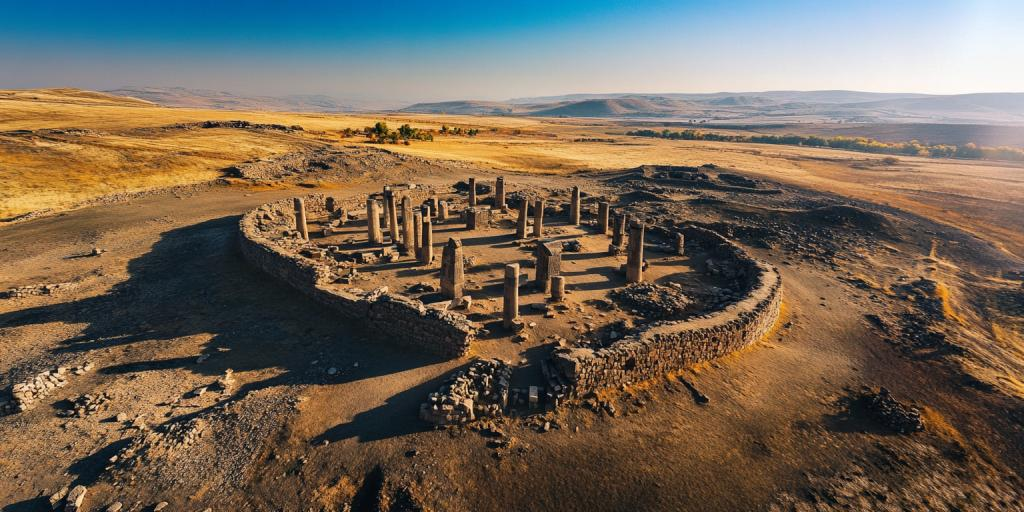
Excavations at Karahantepe, together with discoveries at Sayburç, Sefertepe, Harbetsuvan Tepesi and other settlements within the Taş Tepeler Project, reveal an extraordinary prehistoric landscape where early communities shared architectural traditions, symbolic expression and complex social organization.
Rather than representing a single revolutionary site, these discoveries demonstrate that interconnected communities flourished across the region more than eleven thousand years ago.
Each excavation season continues to reshape our understanding of humanity's earliest history.
Why Upper Mesopotamia Matters
Upper Mesopotamia occupies a unique place in world archaeology.
This remarkable region witnessed one of humanity's greatest transformations — from mobile hunter-gatherer groups to increasingly organized communities capable of constructing monumental architecture and developing sophisticated social structures.
Its archaeological heritage continues to influence international research and attracts scholars from around the world.
More Than Ancient Stones
The significance of these sites extends far beyond their impressive architecture.
Every carved pillar, every carefully planned enclosure and every archaeological layer represents human choices, beliefs and collective memory.
Understanding these monuments means understanding the people who created them.
This perspective transforms an archaeological visit into an intellectual journey through the origins of civilization.
A Living Archaeological Landscape
Upper Mesopotamia is not simply a collection of ancient monuments.
It remains one of the world's most active archaeological landscapes.
- New excavations.
- New discoveries.
- New interpretations.
History here is still being written.
Visitors have the rare opportunity to experience archaeological sites that continue to reshape our understanding of the human story.
Visiting with Context
Experiencing Göbeklitepe together with Karahantepe and the wider Taş Tepeler landscape provides a deeper understanding of the origins of civilization.
These remarkable places are connected not only by geography but also by a shared human story that continues to inspire archaeologists, historians and travellers alike.
For those seeking meaningful cultural experiences, Upper Mesopotamia offers far more than ancient ruins.
It offers a journey to the very foundations of human civilization.
“This article has been prepared in collaboration with Associate Professor Yüksel İskol, Archaeologist and academic specialist in Anatolian cultural heritage, to provide readers with accessible archaeological insight into the origins of civilization and the cultural heritage of Upper Mesopotamia.”— Editorial note
Guest Insight — Associate Professor Yüksel İskol
Archaeologist and academic specialist in Anatolian cultural heritage. Specialist in the archaeology and cultural heritage of Upper Mesopotamia and Southeastern Turkey.