
Şanlıurfa — 預言者が歩み、神殿が初めて彫られた地。
預言者の街。新石器革命発祥の地。イソット、カルダモン、そして一万二千年の記憶が香るバザール。
人類が初めて石の前にひざまずいた丘。アブラハムが火の中から歩み出たとされる池。
Şanlıurfaは人類文明の偉大な入り口です。三つの宗教におけるアブラハム生誕の地であり、世界最古の神殿複合体、そして現存する最古の人間等身大の彫像「ウルファの男」を擁する場所。そのバザール、中庭、石造りの隊商宿は、アナトリアとメソポタミアの生活様式を今に伝える生きた記録です。
ピラミッドより七千年古い遺跡。
Göbeklitepeは人類の物語を書き換えました。かつては巨大建築など不可能と信じられていた人々によって一万二千年前に彫られたT字型の石柱と動物のレリーフは、農耕、文字、車輪よりも古いものです。近隣のKarahantepeでは、発掘調査により新たな聖域が姿を現し、その部屋や人物像は新石器時代の人々の精神世界に関する我々の知識を塗り替えつつあります。
有資格のプロフェッショナルガイドと専門家による解説付きの貸切訪問を手配します — 世界最古級として知られる記念碑的祭祀遺跡での静かな一時間を。特別な入場手配は、公式の許可、空き状況、および各遺跡の規則に従います。
プライベートな訪問を手配する先史時代を書き換えた丘。
ハラン平原から750メートルの高さにそびえるGöbeklitepe(「太鼓腹の丘」)は、地上で知られる最古の巨大神殿です。紀元前9600年から8200年にかけて、土器も金属も文字も持たなかった狩猟採集民によって彫られたそのT字型の巨石群は、一つの穏やかならぬ問いを突きつけます。なぜ農耕以前の人々が、ストーンヘンジより七千年も前に、南東アナトリアの丘の上に石の神殿を建てたのでしょうか。
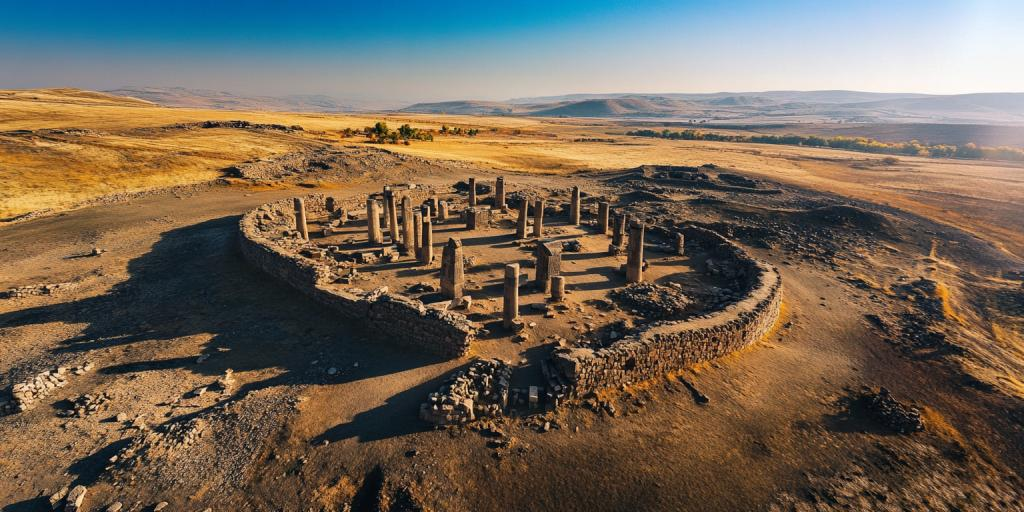
上空から見ると、石灰岩の岩盤の上に四つの重なり合う石の囲いが花びらのように広がっています。それぞれが独立した儀式の間であり、建設者たちによって意図的に埋められ、一万年の間、丘の下に封印されていました。
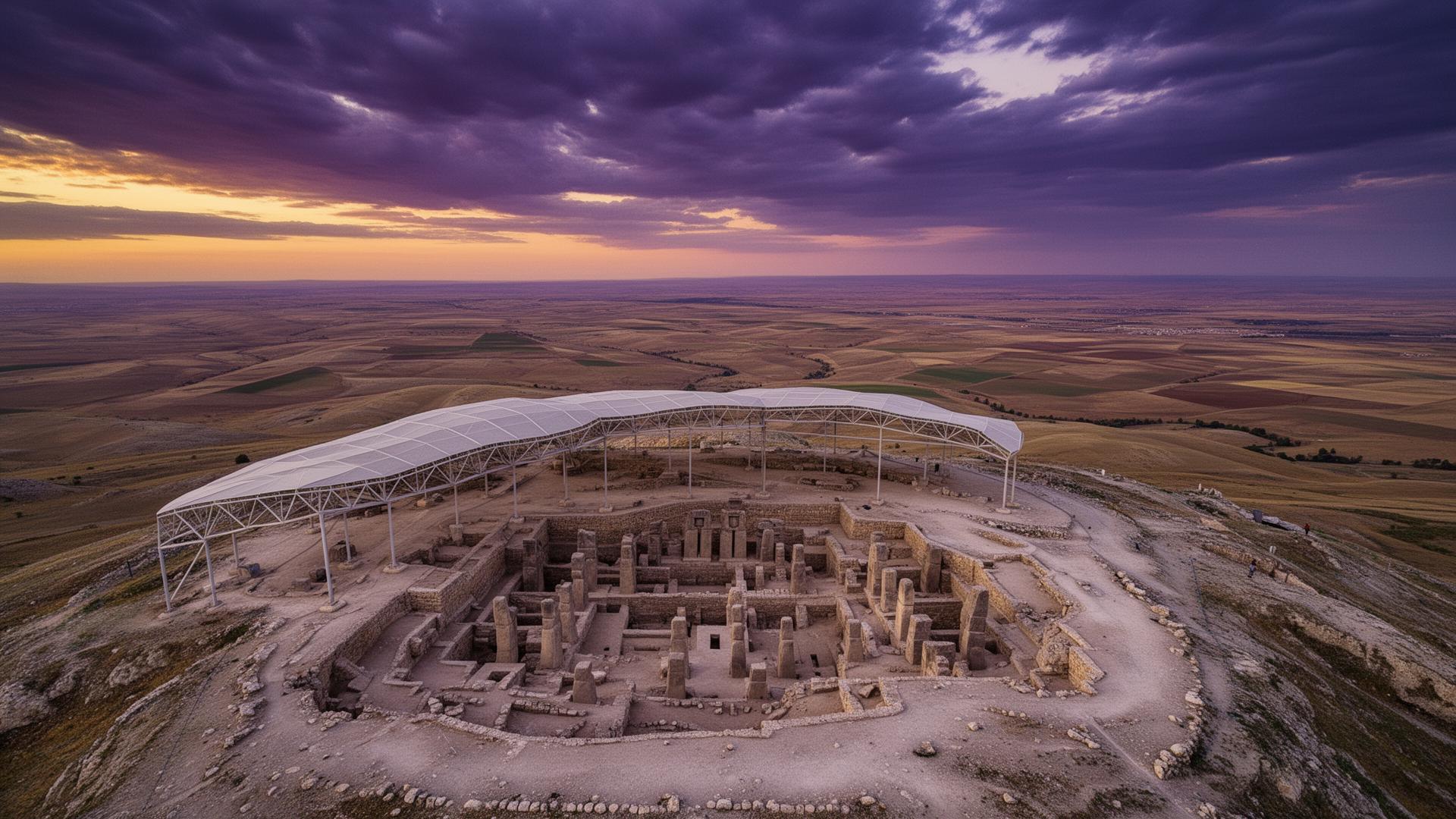
一万二千年を見渡す眺め。
一つの石にも触れずに遺跡を保護するために設計された白い建築キャノピーは、平原の上に浮かぶ帆のように見えます。この尾根から、建設者たちは饗宴の糧となったガゼルやオーロックスの移動ルートを見渡すことができたのでしょう。
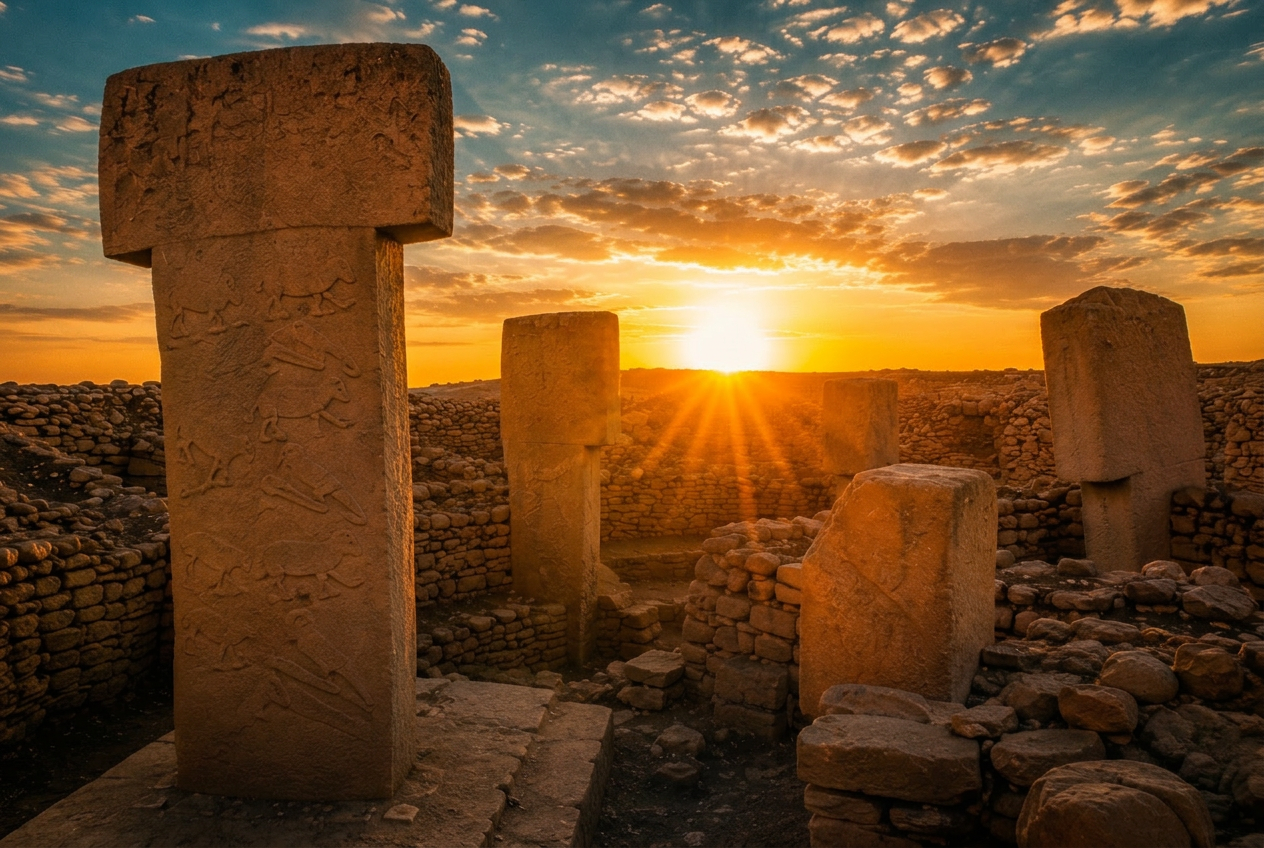
空に向かう、対の石柱。
それぞれの囲いは、二本の中央T字型石柱を中心に構成されています。これらは高さ5メートル、重さ10トン以上にもなる様式化された人物像です。磨かれた床を挟んで向かい合い、石のベンチに組み込まれた小さな石柱の合唱隊に囲まれています。
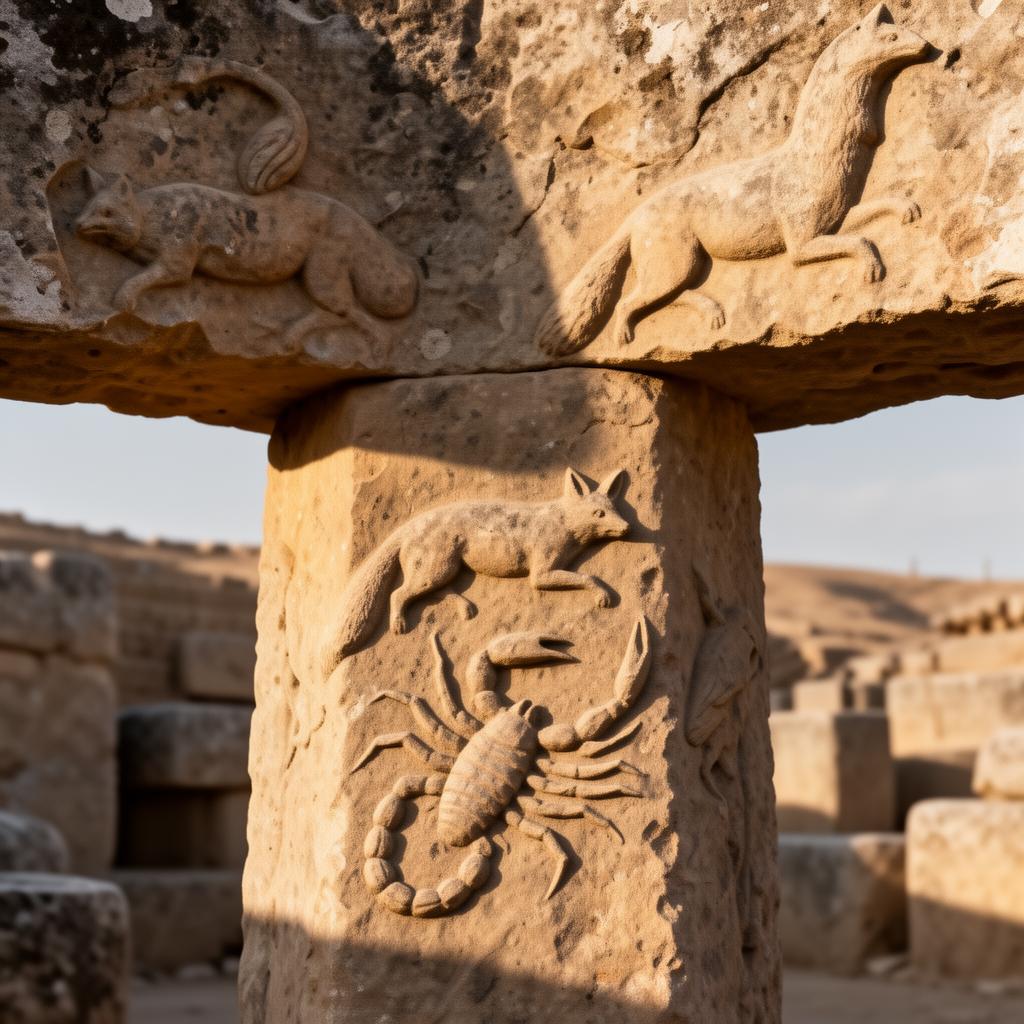
最初の収穫より前に彫られた動物たち。
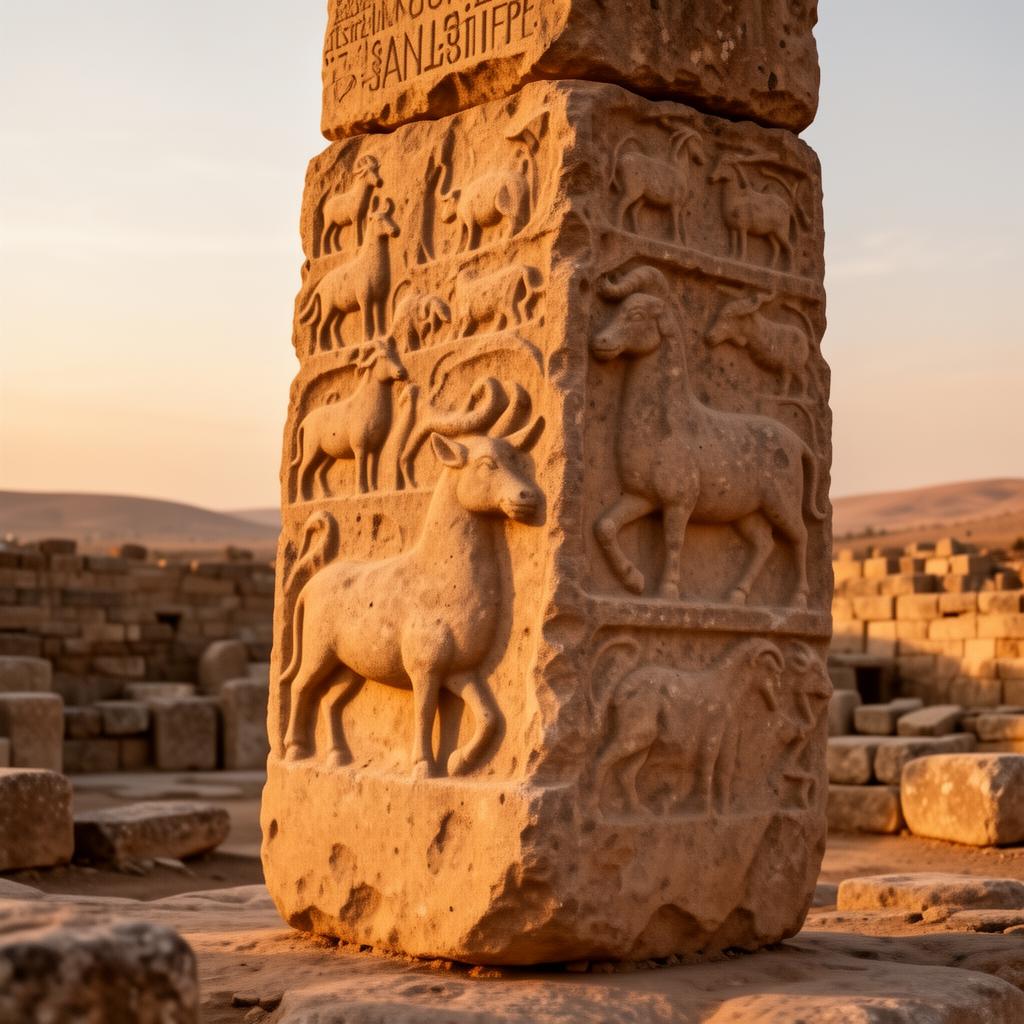
跳ねる狐。身を構えるサソリ。ハゲワシ、ヘビ、イノシシ、オーロックスが石灰岩の上を浅浮き彫りで闊歩します。それは後のいかなる文明にも匹敵する確信に満ちて描かれた、新石器時代の動物寓話です。文字はありませんが、すべての石柱が文章のように読めます。ある学者は宇宙観を、ある学者は世界最古の神話的物語を、またある学者はヤンガードリアス期を終わらせた彗星衝突の天文記録を見出しています。
確かなことは、人々がここに大勢で集まり、石の器で発酵させた穀物を飲み、野生動物のご馳走に舌鼓を打ち、そして世代から世代へと、新しい囲いを隣に建てる前に、それぞれの囲いを意図的に何トンもの土で埋めたということです。ここでの崇拝とは、建設し、使用し、そして埋葬するものだったのです。
紀元前9600年
最古の層
200本以上
調査済みのT字型石柱
10トン
最重量の巨石
Karahantepe — Göbeklitepeの姉妹遺跡、岩盤から直接彫り出された聖域
Göbeklitepeの南東40キロに位置する第二の丘が、人類史の最初の章を書き換えようとしています。 発掘調査が始まったのは2019年のことです。
Karahantepeは、Taş Tepeler、すなわち「石の丘」と呼ばれる遺跡群に属します。Taş Tepelerは、紀元前9400年頃に狩猟採集民によって築かれた12の新石器時代の聖域です。Göbeklitepeの建設者たちが石を切り出し、運び、建てたのに対し、Karahantepeでは、柱、ベンチ、動物のレリーフ、そして一体の人間の頭部を含む聖域全体が、天然の岩盤からひと続きの彫刻空間として下へと彫り進められました。
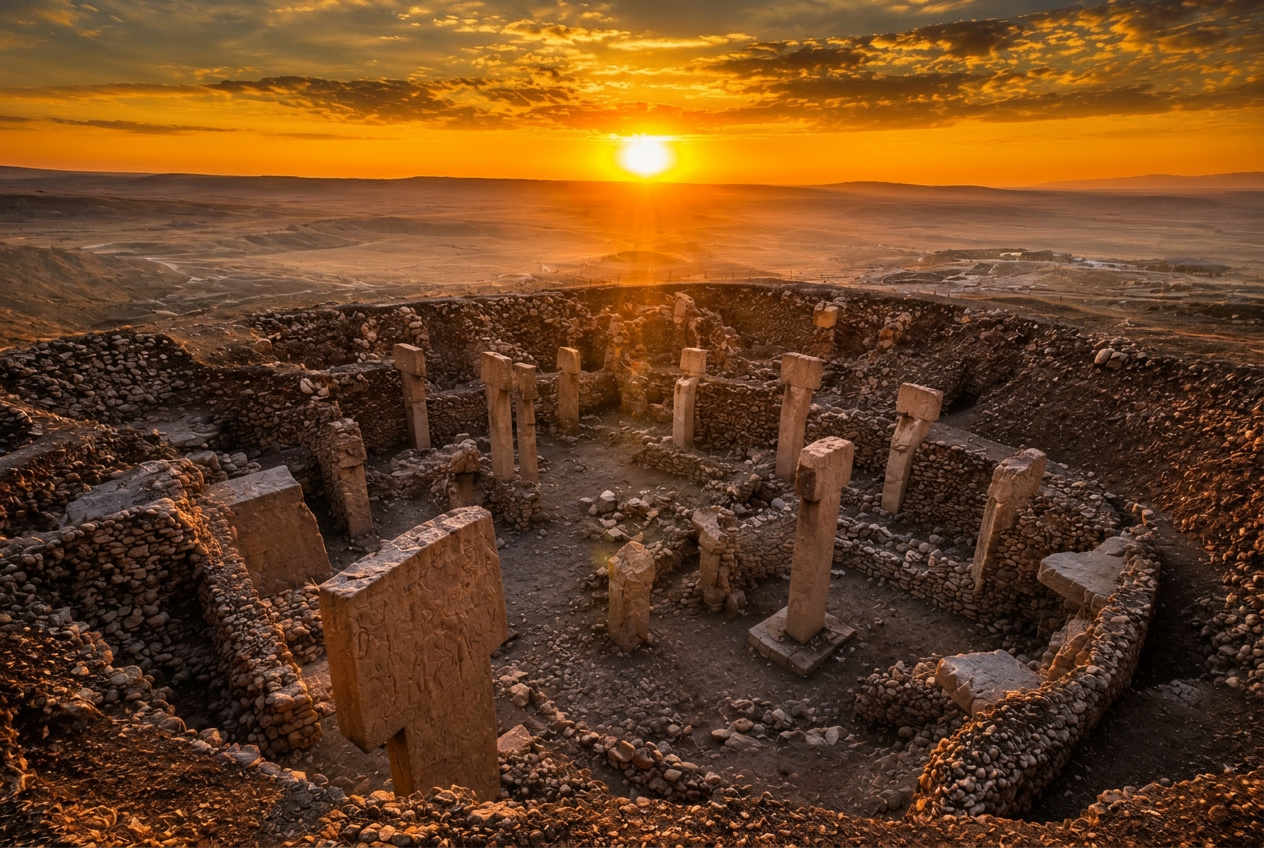
発掘された区画は石灰岩の台地に広がり、かの有名な隣人よりも古く、広大で、そして遥かに静寂に包まれています。
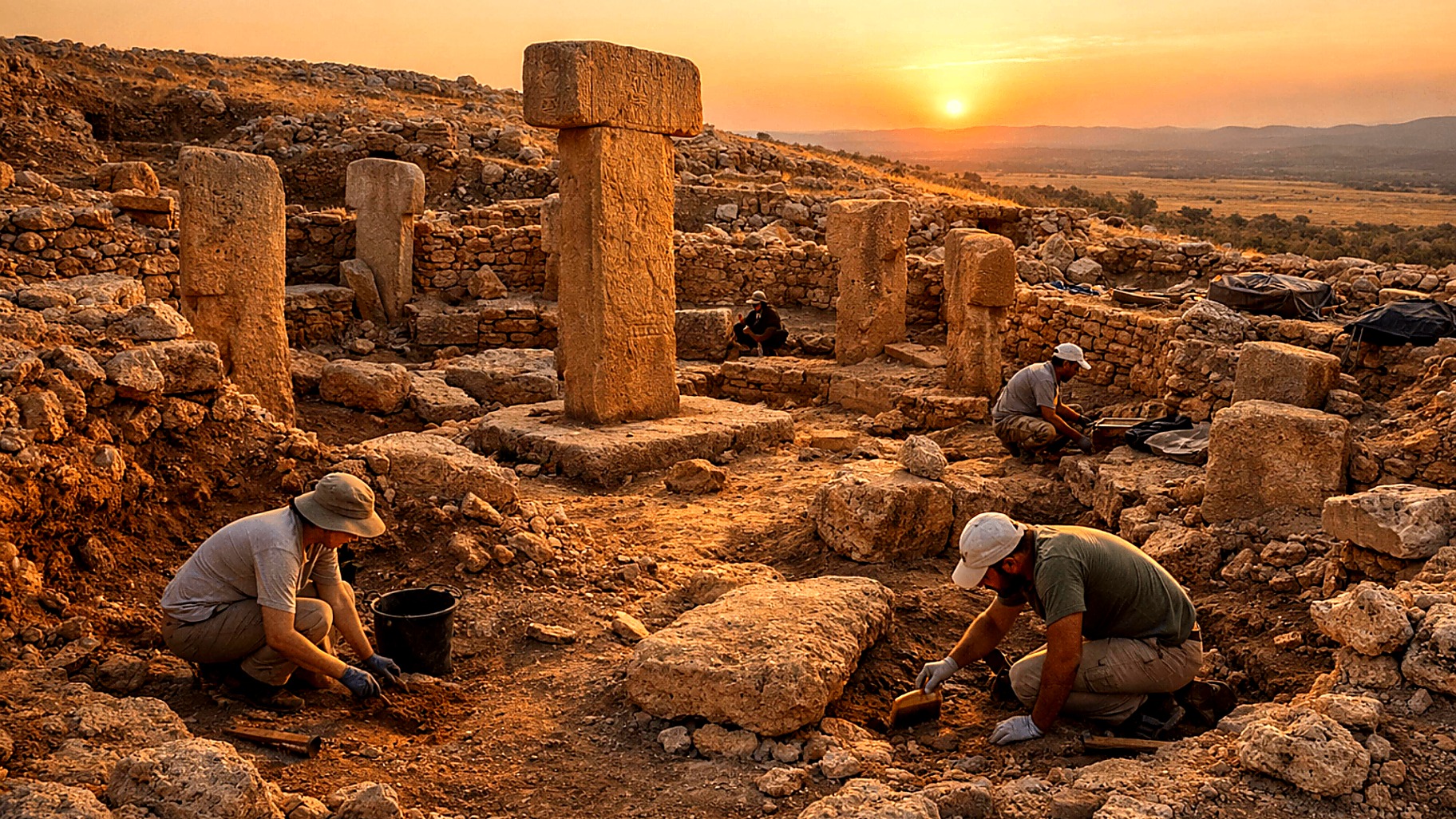
11本のモノリス、1つの見つめる顔
岩盤を切り開いて作られた床から、11本の高い柱が狭い半円を描いてそびえ立っています。向かいの壁からは、同じくひと続きの岩から高浮き彫りにされた一体の等身大の頭部が、広間を横切ってこちらを見つめています。
1万2千年前に石灰岩に刻まれた動物たちの世界
蛇、豹、禿鷲、狐、野牛が、Karahantepeの柱を浅浮き彫りで駆け巡ります。しかしそれは単なる装飾ではなく、意図的な順序で配置されています。捕食者は上に、被食者は下に。そして蛇は常に下へと向かう姿で描かれているのです。
9,400 BCE
最古層
250+
柱の配置図
2019
発掘開始
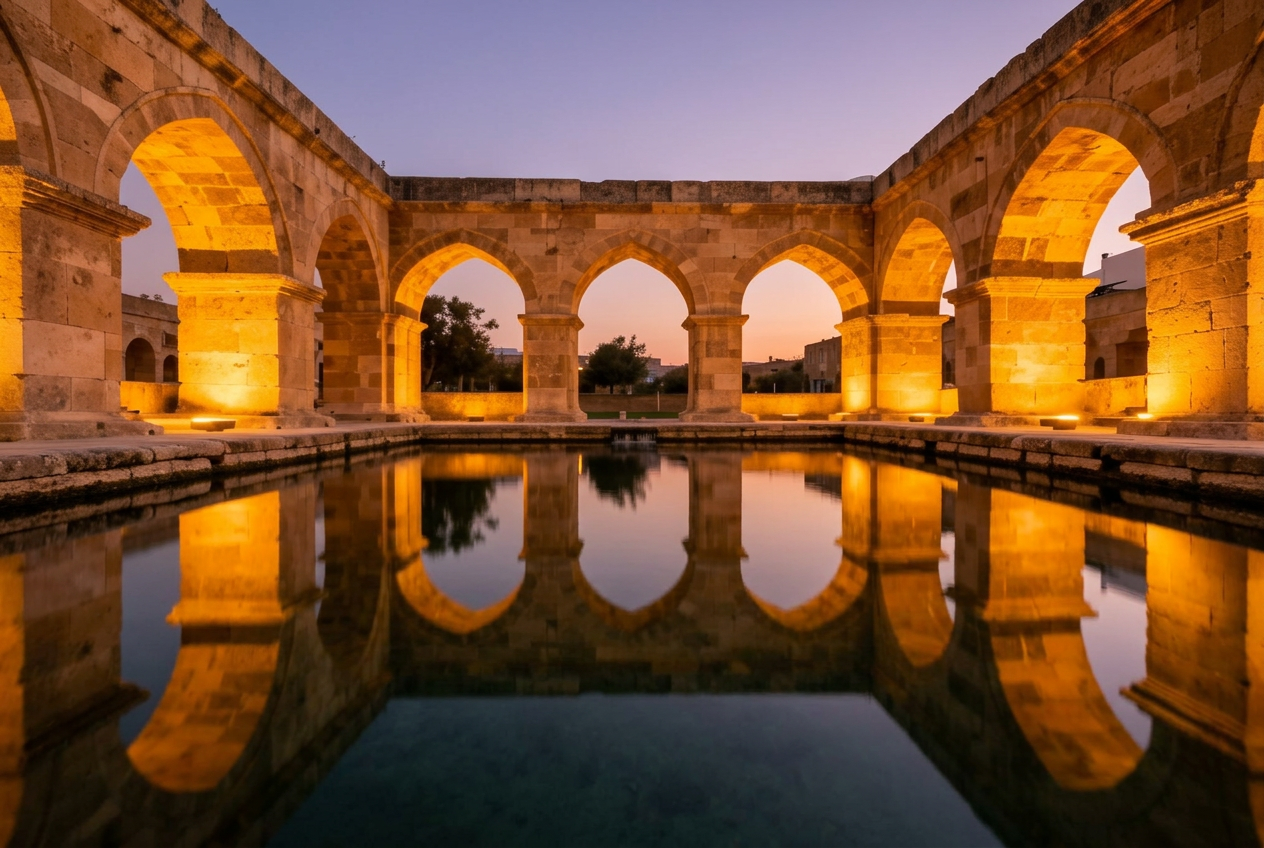
聖なる池、バザール、そして長いアナトリアの夜。
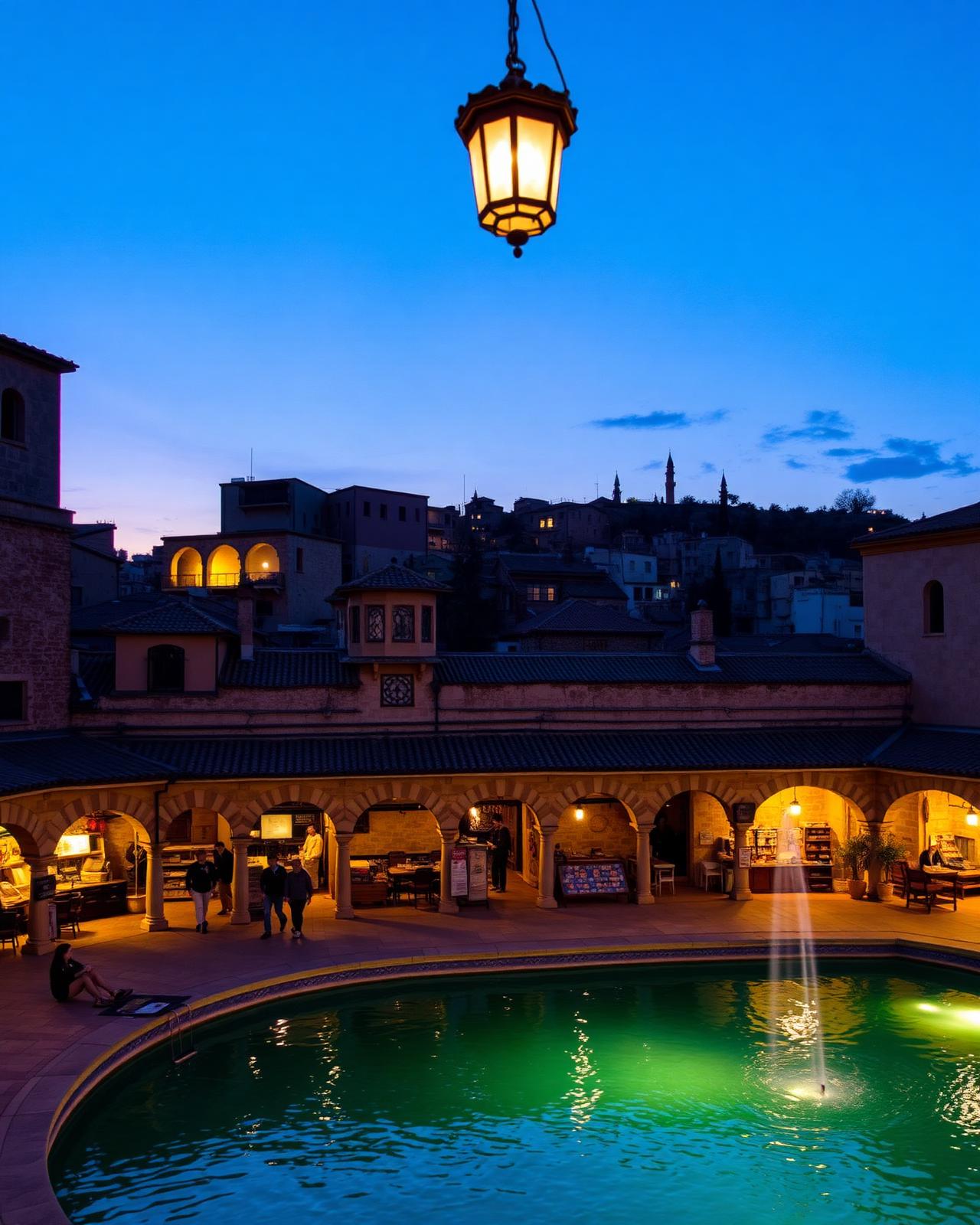
バルックルギョル、すなわちアブラハムの池では、伝承によればニムロデ王の火刑台が水に変わった場所で、オスマン様式のアーチの下を聖なる鯉が泳ぎます。池の向こうには、銅製品の小道、イソット(唐辛子)の屋台、そしてギュムリュック・ハンの深い石の静寂が広がる旧市街が姿を現します。
夜はプライベートな「スラ・ゲジェシ」のために確保されています。何世紀も変わらぬ音楽が奏でられるヴォールト天井のホールで、バーラマの音色、チーキョフテ、そして紅茶と共に過ごすアナトリアの夜です。
水に半ば沈んだオスマンの町、黒い薔薇、そしてルムカレ要塞。
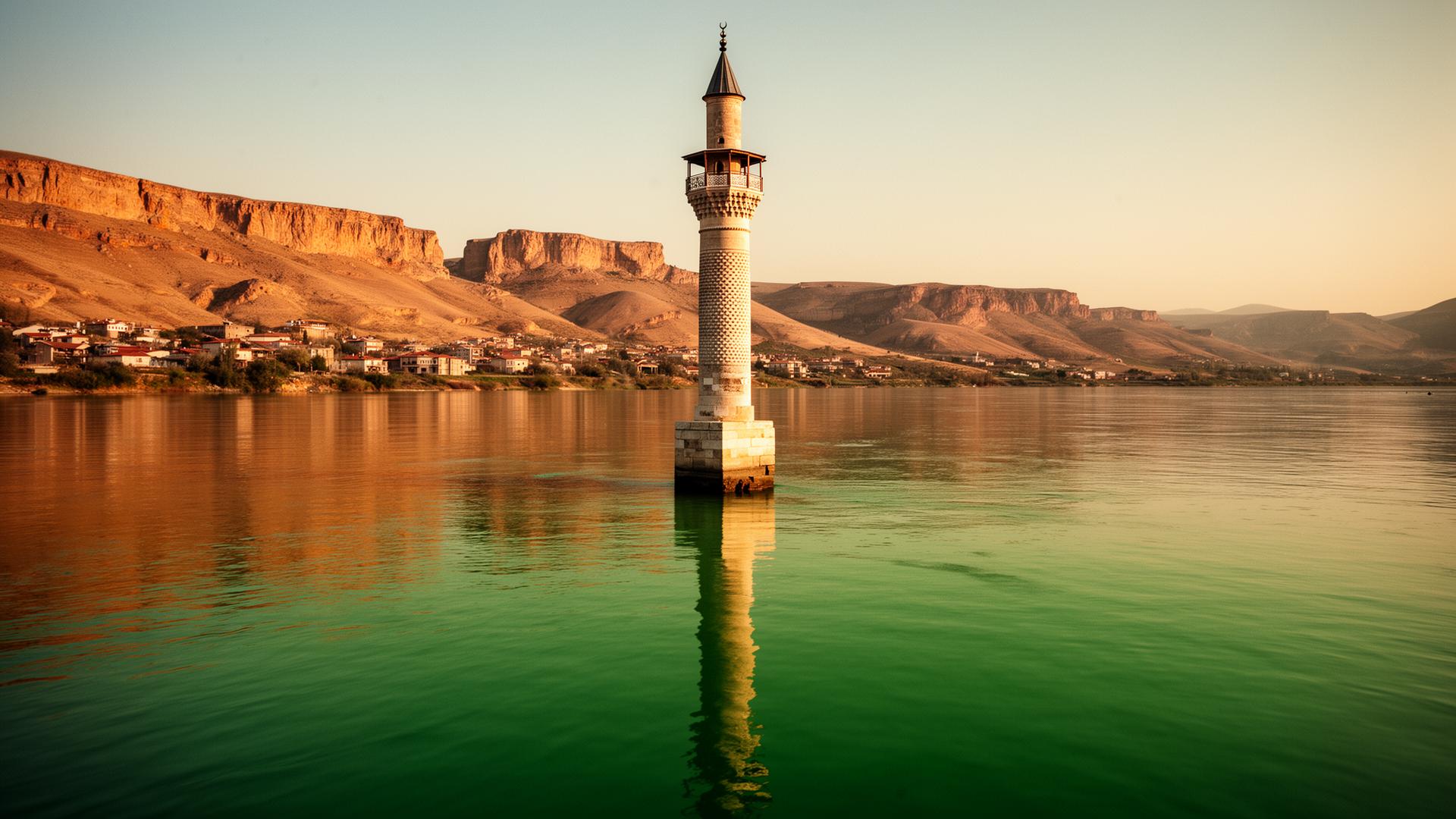
Şanlıurfaの西に、ビレジク・ダムのエメラルド色の水に半ば飲み込まれた町、Halfetiがあります。1999年にダムのゲートが閉ざされたとき、古いバザール、モスク、庭園はユーフラテス川の底に沈みました。今日、水面に映る一本のミナレットが、文明全体の記憶を水上へと引き上げています。
Halfetiの起源は紀元前9世紀、アッシリア王シャルマネセル3世にまで遡ります。ローマ人にはウリマ、ビザンツ帝国にはロマイオン・コイラとして知られ、オスマン帝国時代にはユーフラテス交易の静かな港でした。地下水脈が育んだ微気候は、ユーフラテスの微気候と深く結びついた植物の伝説、カラギュル(黒薔薇)を生み出しました。夜明けには深い深紅色、午後遅くにはほぼ漆黒に変わる花です。
今日のHalfetiを探索することは、プライベートな木製のボートに乗り込み、ユーフラテス川を静かに滑り進むことを意味します。サヴァシャン村のモスクの半水没したミナレットを過ぎ、切り立った渓谷の壁の間を抜けてローマ・ビザンツ様式のルムカレ城塞へ。そして、光が薄れる頃、Halfetiの狭い石畳の小道へと戻り、濃いお茶を一杯いただきます。
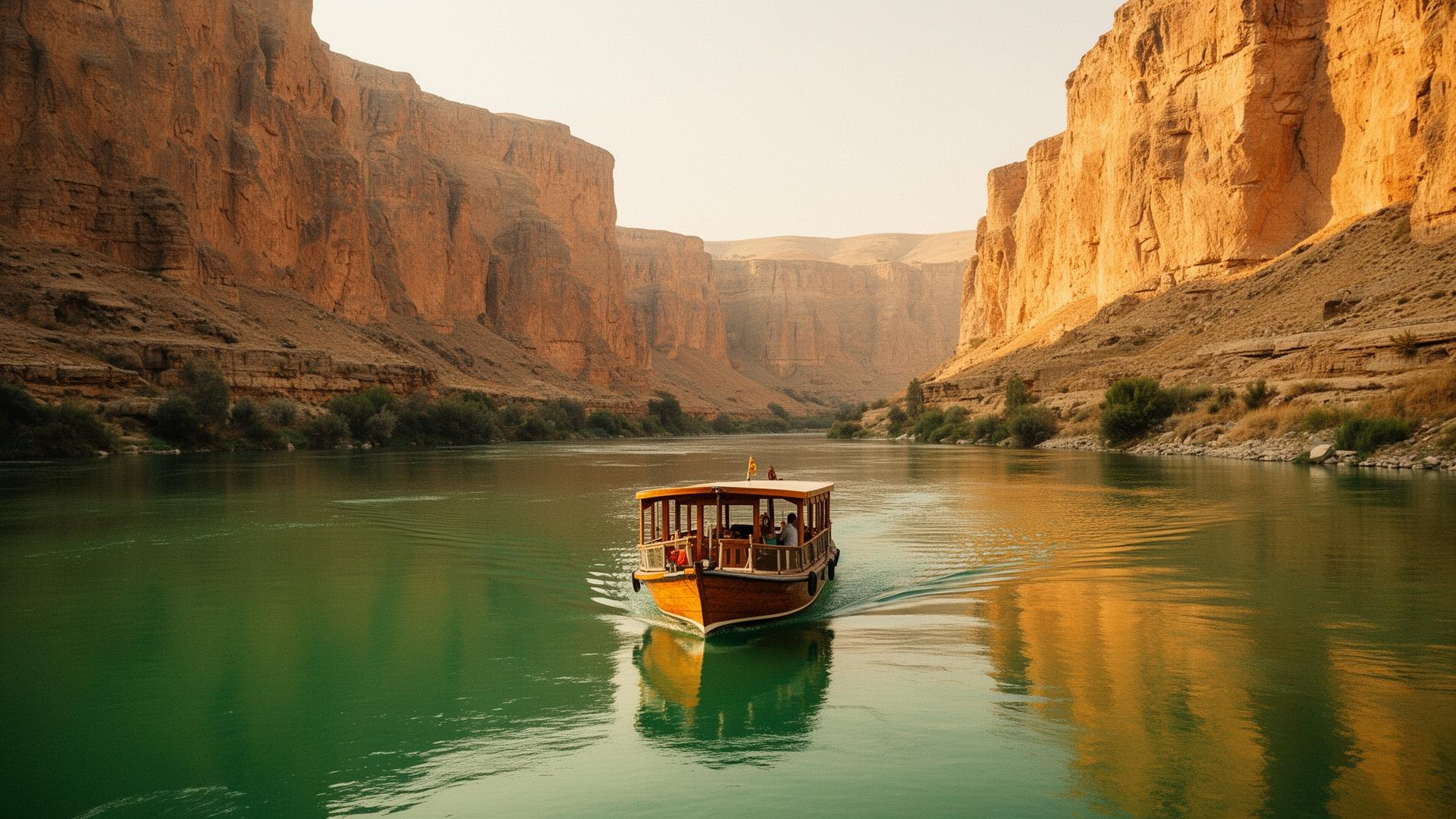
渓谷の壁の間を抜ける、静かな航行。
小さな木製ボートのデッキから、翡翠色のユーフラテス川を漂います。黄土色の石灰岩の崖が、水鏡にその姿を映し出します。
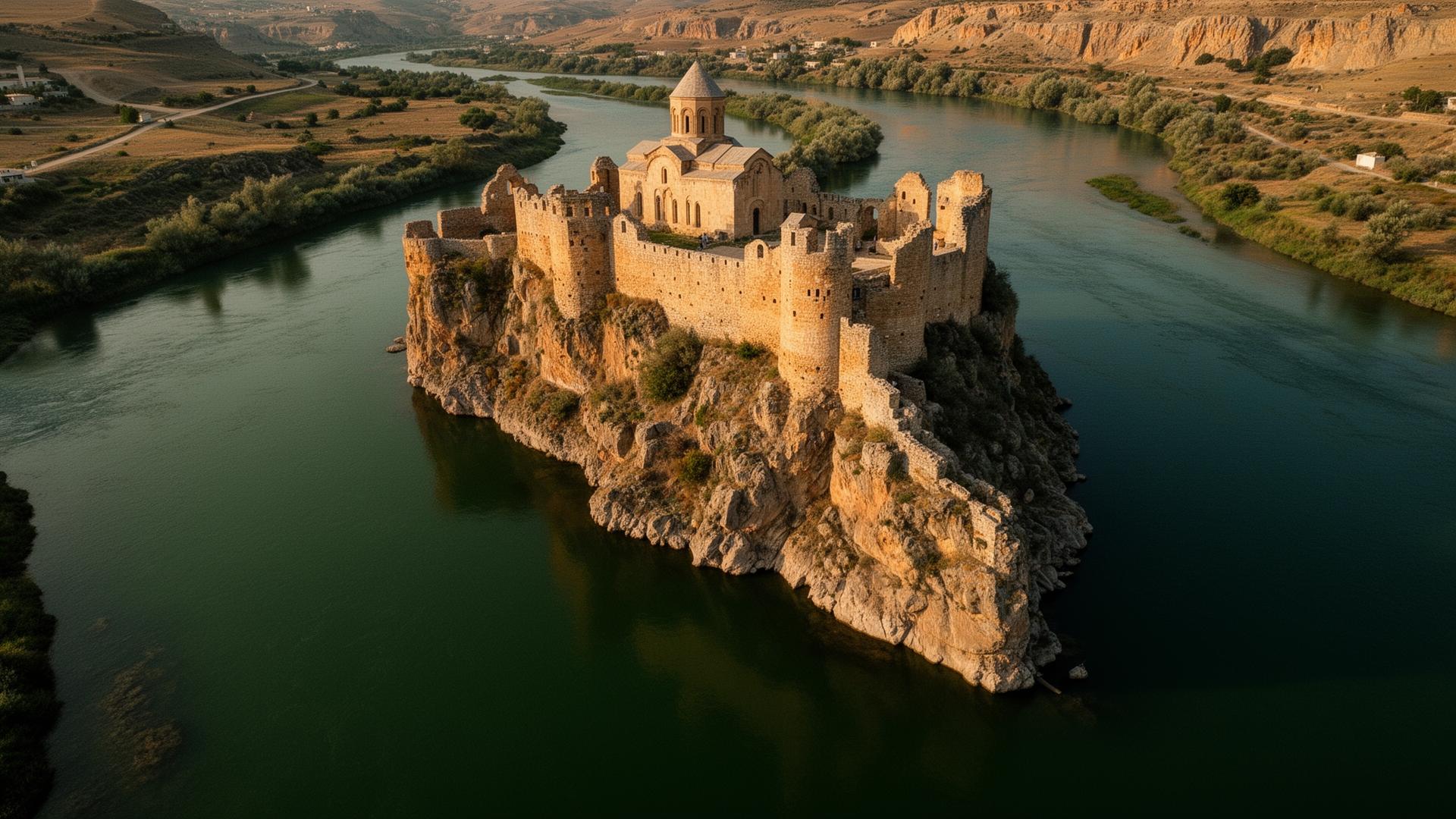
ユーフラテス川を見下ろすビザンツの修道院。
ユーフラテス川とメルジメン川の合流点にある切り立った岬にそびえるルムカレは、後期ローマ・ビザンツ時代には司教区でした。聖ナルセス教会とその貯水槽は、この地域で最も印象的な歴史的シルエットを形成しています。
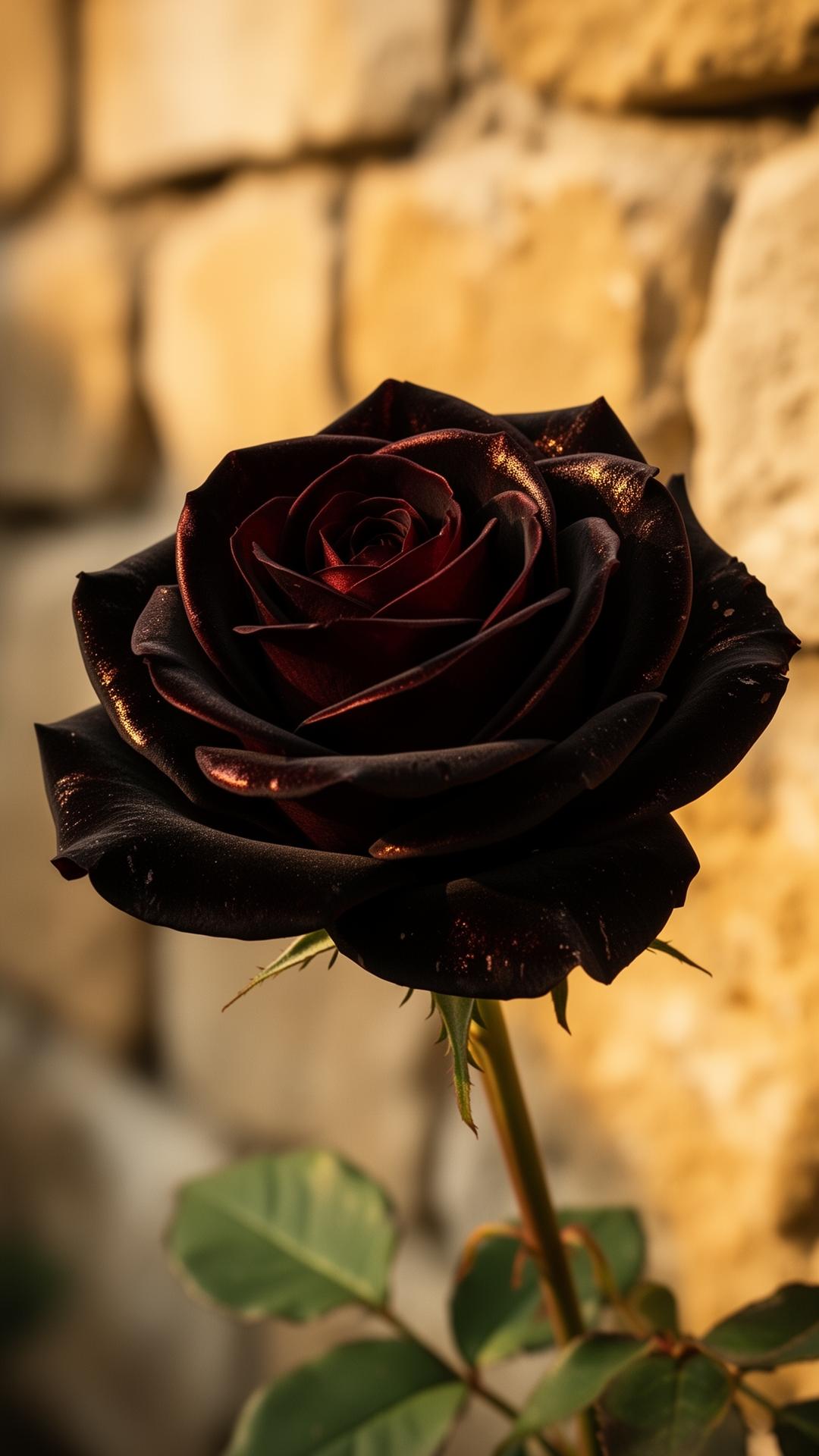
ユーフラテスの微気候と深く結びついた薔薇。
土壌の特異なpHとユーフラテス川の地下水によって育まれたカラギュルは、夜明けにベルベットのような深紅色に開き、午後遅くにはほぼ黒色へと深まります。それは、喪に服す町の神話が一輪の花へと姿を変えたかのようです。
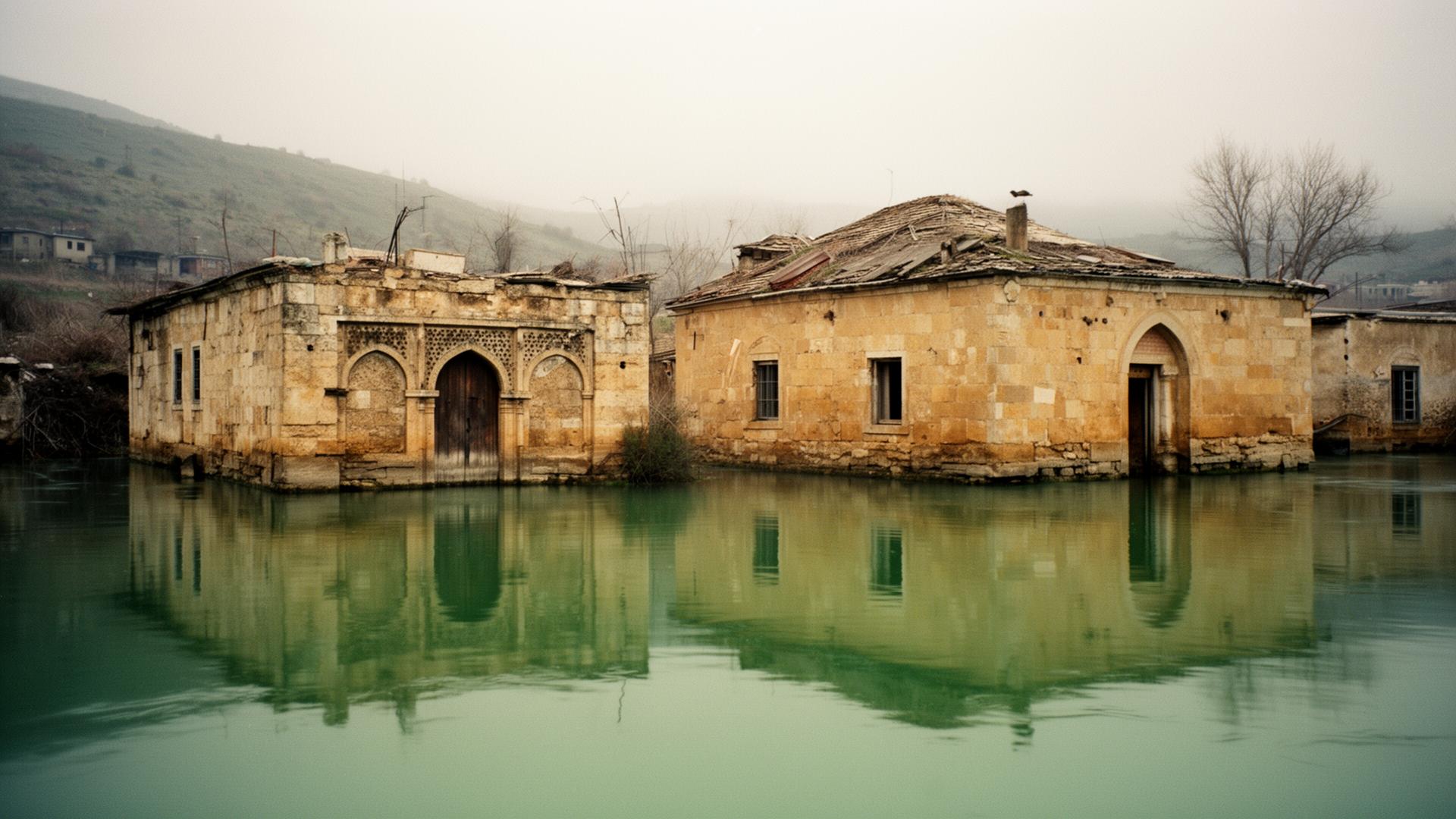
水面に今なお残る、石の記憶。
旧Halfetiの一部はまだ水上に姿を見せています。半ば水没したオスマン様式の家々、アーチ型の戸口、打ち捨てられた中庭。緑色の水面に映るそのシルエットは、静かで美しい余韻を感じさせます。
メソポタミアの石に刻まれた月神信仰の聖域。
Şanlıurfaから東へ2時間、ソウマタルには聖なる墳丘、シリア語のレリーフ、岩をくり抜いた墓室、そして現代の光にほとんど汚されていない夜空が残ります。月の神シンに捧げられたこの後期古代の聖域は、上メソポタミアでも屈指の印象的な異教的景観を今に伝えています。
25 枚
空から見たGöbeklitepe
世界で知られる限り最初期の巨大祭祀遺跡の一つを上空から望む。1万1千年以上も前に、石灰岩の尾根にいくつもの円形の構造物が築かれました。
夜明けの丘の頂
ハラン平原に訪れる夜明け。公的な許可が条件となりますが、丘が最も静寂に包まれる早朝の時間帯に現地を訪れます。
彫刻の施されたT字形石柱
狐のレリーフが施された石灰岩の一枚岩。具象的なモニュメンタル・アートの最初期の例の一つです。
環状列石の内部
農耕よりも、土器よりも、そして車輪の発明よりも古い時代に造られたT字形の石柱群。その環の中に佇みます。
シンの聖なる墳丘
この聖域の墳丘は大地の観測所のように平原から立ち上がり、ローマ世界がキリスト教化した後も続いた月神信仰の儀礼的中心でした。
生きた岩のレリーフ
人物像、龕、碑文は石灰岩の岩肌そのものに刻まれ、台地全体をシンとその天界の宮廷に捧げる奉納の壁へと変えています。
岩を穿った墓室
乾いた草の下で、彫られた一室が地中へ口を開けています。アーチ形の龕が、後期古代の静けさを今も宿す簡素で力強い葬送空間です。
夕景の立像レリーフ
最後の琥珀色の光に包まれた光背のある立像と周囲の碑文は、この遠い聖域で信仰、像、石がどのように一体となっていたかを静かに物語ります。
ゴールデンアワーの姉妹聖域
Göbeklitepeから40キロ。Karahantepeの発掘区画が、Tek Tek平原を渡る最後の光を捉えます。
11本の柱、1つの見つめる顔
天然の岩盤から彫り出された11本のモノリスが、一体の人間の頭部の視線の下にそびえ立ちます。これは、現在知られている中で最も初期の物語的構成を持つ作例の一つです。
上に蛇、下に豹
浅浮き彫りで表現された新石器時代の動物たちの世界。最初の文字が発明される1万1千年も前に、捕食者と被食者が一つの宇宙観の中に配置されています。
道が目覚める前に
Karahantepeを訪れる人は、Göbeklitepeに比べごくわずかです。私たちは夜明けの光とともに、多くの場合、公式な開門時間よりも前に現地に到着します。
Karahantepeの坐像
完全な静寂の中に座す、高さ2.45メートルのこの像は、1万2千年前に彫られたもので、ピラミッドよりも6千年の時を遡ります。
T字形石柱の広間
石器時代以来初めて、GöbeklitepeとKarahantepeから出土したT字形石柱が屋内に展示されています。来場者はその間を、石柱と同じ目の高さで歩くことができます。
博物館のブルーアワー
ブルーアワーがパビリオンに静かに訪れます。石灰岩とガラスに低い光が当たり、開館前の庭園は静寂に包まれています。
Haleplibahçeのアマゾネスの女王たち
博物館の入口からわずか数メートルの地中から発見された、後期ローマ時代の狩猟風景を描いた彩石モザイク。街の城壁が築かれるより以前の床の上を、アマゾネスたちが獲物を追いかけています。
石に刻まれた最初の物語
5つの像が織りなす一つの場面。これは、人類の芸術において知られる限り最古の物語的構図とされ、紀元前9000年頃に石灰岩のベンチに刻まれました。
Visit destination集いのための建造物
岩盤を半ば掘り込んで造られた円形の建造物。内壁に沿ってベンチが巡らされており、世界で初めて絵によって物語が語られた場所です。
Visit destinationオーロックス
角を低く構え、引き締まった身体。鑿が置かれてから1万1千年の時を経てなお、Sayburçのオーロックスはとぐろを巻く蛇の傍らで、ベンチの上を突進しています。
Visit destination水に半ば沈んだミナレット
古いモスクのミナレットが、静かなユーフラテス川の水面からそびえ立っています。水底に沈んだ村の存在を伝える、唯一の痕跡です。
ユーフラテス川の舟
水没した峡谷を、ボートはゆっくりと進みます。鏡のような水面には、石灰岩の断崖がその姿を映し出しています。
Rumkale要塞
二つの川が合流する岬に佇む、十字軍時代の要塞。現在は打ち捨てられ、ボートでしか近づくことはできません。
Halfetiの黒いバラ
この谷ならではの土壌と微気候の中でしか育たない、黒に見えるほど深い真紅のバラ。
水没した村
水面下にのぞく屋根と壁。2000年、ビレジク・ダムの建設によって水没した村の姿です。
Balıklıgöl — The Pool of Sacred Fish
Where the prophet Abraham is said to have been cast into fire — the flames became water, the embers became fish.